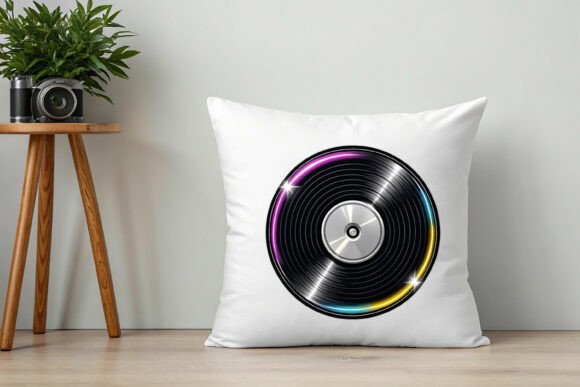
Retro Vinyl Record with Neon Lights Embroidery Review
As a designer who spends half my life staring at stitch charts and the other half arguing with embroidery machines, I don’t just buy designs because they look pretty on a screen. I buy them because they translate well to thread. That is exactly how I approached Retro Vinyl Record with Neon Lights. This piece falls squarely into the Crafts category under Graphics, but for an embroiderer, it presents a unique set of challenges and opportunities that go beyond simple decoration. It is not just a music note or a generic circle; it is a statement piece that demands specific attention to detail, color theory, and fabric selection.
The First Impression: Mood and Visual Personality
When you first load this design into your digitizing software, the immediate takeaway is its vibrant energy. The concept of a vinyl record wrapped in neon lighting creates a strong nostalgic yet modern aesthetic. For the handmade product market, specifically for Etsy sellers and small shop owners, this kind of visual personality is gold. It immediately signals creativity, musical passion, and a touch of retro-cool. However, the "neon" aspect is where things get tricky in real-world application. On a digital mockup, those bright pinks, electric blues, and glowing yellows pop effortlessly. But can your machine replicate that glow? That is the critical question every embroidery designer needs to ask before committing to production.
The layout is clean, which is a blessing. Unlike overly complex floral patterns that can turn into a tangled mess if the digitization isn't perfect, this design relies on bold shapes. This makes it highly suitable for various applications, from tote bag design projects to sweatshirt embroidery. The visual weight is balanced, meaning it won’t overwhelm a small chest logo area, nor will it look lost on the back of a hoodie. It feels like a design meant to be seen, which is essential for commercial embroidery pieces intended to drive sales.
Real-World Application: Where This Design Shines
I recently tested this file for a potential client project involving personalized gifts for a local music festival. The goal was to create a limited run of custom apparel items that attendees would actually want to wear. We chose heavy-weight cotton canvas for tote bags and a premium fleece for hoodies. Here is how Retro Vinyl Record with Neon Lights performed in these scenarios.
- Tote Bags: This is arguably the best use case. The sturdy fabric provides a stable base for the stitch density required by the record’s outline. When paired with high-quality polyester threads in bright colors, the contrast against natural or black canvas is striking. It serves as excellent brand consistency material for boutique branding.
- Sweatshirts and Hoodies: For apparel decorators, this design adds a focal point to what might otherwise be a plain garment. The neon theme works exceptionally well on dark fabrics, mimicking the actual glow of neon lights in a dim room. It elevates a basic sweatshirt into a statement finished product.
- Patches and Accessories: Because the shape is distinct, it translates beautifully into an embroidered patch. Whether used on denim jackets, backpacks, or caps, the circular nature of the record fits naturally into standard patch placements. It adds a layer of professionalism to craft business merchandise.
Furthermore, this design is incredibly versatile for seasonal marketing. Imagine this on a kitchen towel or a tea towel for a housewarming gift for a music lover. Or perhaps as part of a holiday embroidery collection, where the neon colors stand out against festive reds and greens. Its adaptability makes it a valuable asset for digital product sellers who offer printable mockups to showcase their goods.
Technical Challenges and Where to Be Careful
No design is without its pitfalls, and Retro Vinyl Record with Neon Lights has a few areas that require careful handling. If you are new to digitizing or running your own machine, pay close attention to the following.
Fabric Texture and Stability: Avoid using this design on thin, stretchy, or highly textured fabrics like loose-weave linen or raw silk. The stabilizer choice becomes critical here. You need a high-quality cut-away stabilizer to prevent puckering, especially around the curved edges of the vinyl record. If the fabric shifts during stitching, the "neon" lines may become jagged, ruining the illusion of smooth light.
Hoop Size Constraints: While the design is scalable, attempting to fit it into a very small hoop size (under 4 inches) is risky. The details that give the record its character—such as the label in the center and the subtle texture of the grooves—may disappear or merge together. For tiny applications like baby clothes or small hat panels, you might need to simplify the digitization or accept a more abstract look. Always test the hoop size compatibility before mass-producing.
Thread Color Contrast: The "neon" effect relies heavily on thread choice. Using standard cotton floss will result in a flat, dull appearance. You must use shiny polyester or rayon threads to capture that luminous quality. Additionally, be cautious when placing this design on dark fabric without sufficient background stitching. The neon colors need space to breathe; cramming them too densely can lead to thread breaks and poor stitch clarity.
Practical Designer Notes for Success
Before you start stitching up orders for your small business merchandise, follow these practical steps to ensure Retro Vinyl Record with Neon Lights delivers the professional quality promised in its description.
- Test on Scrap Fabric: Never trust a digital preview alone. Stitch the design on the exact fabric type you plan to sell. Check how the thread colors interact with the material. Does the neon pink look like plastic, or does it look like light?
- Review Stitch Density: Zoom in on the digitized file. Look at the transition between the satin stitch borders and the fill stitch areas. Ensure there are no excessive jumps or trims that could weaken the final product. High-density areas should feel firm but not stiff.
- Inspect Small Details: Pay special attention to the center label of the record. If there is any text or tiny graphics there, verify that they remain legible after washing. Tiny details are the first to degrade in frequent-wash items like aprons or tea towels.
- Black and White Mockups: Convert your design to grayscale to check the value contrast. If the design looks muddy in black and white, it will likely lack impact in color. Good design relies on strong contrast, regardless of hue.
- Confirm Licensing: As a creative entrepreneur, protecting your intellectual property is vital. Double-check the license terms associated with this digital embroidery file. Are you allowed to sell finished items? Can you use it in unlimited quantities? Clarifying this upfront prevents legal headaches later.
Final Verdict
Retro Vinyl Record with Neon Lights is more than just a cute graphic; it is a functional, engaging design asset that can significantly boost the appeal of your embroidery project offerings. It captures a mood that resonates with a wide audience, from hobbyists making personal gifts to professional makers building a brand identity. While it requires thoughtful execution regarding fabric choice and thread selection, the payoff in terms of customer engagement and perceived value is substantial.
For anyone looking to add a splash of creative inspiration to their catalog, this design earns a strong recommendation. Just remember: the magic isn't just in the file—it's in how you bring it to life with skilled hands and the right materials. Treat it with respect, test thoroughly, and watch your handmade product line shine.