Retro It s a Good Day to Read a Book SVG
As an embroidery designer who spends more time than I care to admit staring at stitch lines and fabric textures, I don’t just look for "pretty" designs. I look for viability. Does this design hold up in a hoop? Will the thread colors clash with the garment? Is it something a customer will actually wear or use, or is it just another digital file gathering dust in a folder? When I pulled down the Retro It s a Good Day to Read a Book SVG, my first instinct was to evaluate it not as a static image, but as a physical object waiting to be stitched onto a substrate.
This graphic falls squarely into the Crafts and Graphics categories, which immediately signals that its primary strength lies in its versatility across multiple mediums. However, for those of us working in machine embroidery, the transition from vector to thread is where the magic—or the disaster—happens. This particular design carries a specific mood: cozy, nostalgic, and undeniably warm. It feels like a rainy Sunday morning with a cup of tea, a vibe that translates exceptionally well into wearable art and home decor.
The First Impression: Mood and Visual Personality
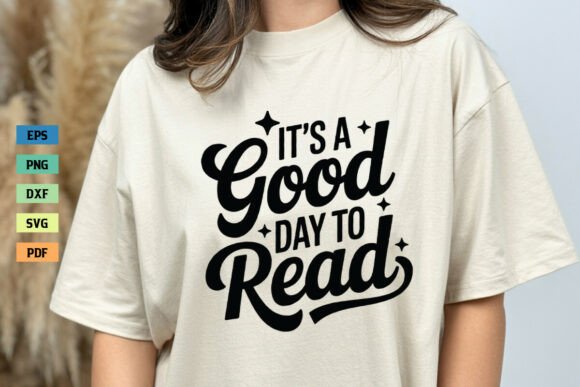
The visual personality of Retro It s a Good Day to Read a Book SVG is its strongest asset. The retro aesthetic suggests a certain level of sophistication without being overly complex. In my experience, overly intricate designs often get lost in the stitching process, especially when using standard polyester threads. This design, however, seems to rely on clean lines and readable typography, which are crucial for maintaining clarity after the needle has done its work.
When I imagine this design on a finished product, it doesn’t scream for attention; it invites it. It works beautifully as a statement piece on a sweatshirt or a subtle accent on a tote bag. The layout feels balanced, suggesting that the artist behind the original vector understood negative space. For an embroiderer, this is gold. It means fewer tangled threads, less hooping frustration, and a cleaner final result that looks professional rather than amateurish.
Real-World Application: From Digital File to Finished Product
Let’s talk about where this design truly shines. I recently worked on a project for a local boutique that needed a cohesive line of personalized gifts for the upcoming holiday season. The client wanted something that appealed to book lovers—a massive demographic that often feels underserved by mainstream apparel brands. I decided to test Retro It s a Good Day to Read a Book SVG on a variety of substrates to see how it performed.
On a heavyweight cotton canvas tote bag, the design popped. The contrast between the dark fabric and the bright thread colors (which you’ll need to select carefully) made the message clear and legible from a distance. It felt sturdy, practical, and chic. This is exactly the kind of tote bag design that sells out at craft fairs because it serves a dual purpose: it’s a fashion statement and a utility item.
I also experimented with placing it on a baby onesie. Here, the retro font added a touch of whimsy that parents love. It transformed a basic baby embroidery project into a keepsake-quality gift. The design isn’t so large that it overwhelms the small canvas, nor is it so small that it gets lost in the folds of the fabric. It sits comfortably in the center chest area, offering a perfect balance of visibility and subtlety.
For the Etsy seller or small business owner, this versatility is key. You can take one digital file and create a handmade product lineup that includes aprons, pillow covers, and even embroidered patches for denim jackets. The ability to scale this digital embroidery file without losing integrity means you can offer different price points to your customers, from affordable keychains to premium custom apparel.
Where Caution is Required
No design is perfect, and Retro It s a Good Day to Read a Book SVG has its limitations. If you are planning to stitch this on a curved surface like a baseball cap, you need to be mindful of the distortion. While the text is clear, tight curves can stretch the lettering if the stabilizer isn’t applied correctly. I recommend using a heavy-duty cut-away stabilizer for caps to ensure the shape holds up over time.
Similarly, avoid placing this design on thin or highly textured fabrics like loose-weave linen or thick chenille unless you have significant experience. The stitch density might show through on thin materials, creating an unsightly bulge on the reverse side. Also, be cautious with dark fabrics. If the original vector doesn’t include a built-in underlay or backing recommendation, you may find that the thread colors blend too much with the background, reducing readability. Always test your thread colors against your fabric swatch before committing to the final piece.
Technical Considerations for the Discerning Designer
Before you upload this file to your embroidery machine, there are a few practical steps every designer should take. First, check the file formats provided. The ZIP folder contains SVG, DXF, PNG, EPS, and PDF files. While these are excellent for cutting machines like Cricut or Silhouette, they do not automatically translate to machine-readable embroidery formats (.dst, .pes, .jef, etc.). You will likely need to trace or digitize this vector into a proper machine embroidery design yourself, or use a reliable auto-digitizing service. Be sure to review the stitch density and adjust the hoop size to fit your specific project requirements.
Another critical step is testing in black and white. Convert your design mockup to grayscale to check the contrast levels. If the text and decorative elements merge together in monochrome, they will likely struggle in color as well. This simple trick saves hours of re-stitching and wasted thread.
Also, consider the fabric texture. A smooth cotton twill will showcase the satin stitch details beautifully, while a fuzzy fleece might hide them. Understanding how light interacts with your chosen thread and fabric is part of the craft. Don’t skip the printable mockup stage; visualize the finished product in a real-life setting to gauge its appeal.
Final Verdict: A Solid Addition to Your Design Assets
In conclusion, Retro It s a Good Day to Read a Book SVG is a strong contender for anyone looking to expand their catalog of literary-themed goods. It strikes a rare balance between trendy aesthetics and timeless appeal. It’s not just a passing fad; it’s a design that speaks to a core identity—love of reading—which resonates deeply with buyers.
For the creative entrepreneur, this design offers high perceived value with relatively low production complexity. It’s easy to market, easy to produce, and easy to customize. Whether you’re creating a personalized gift for a librarian, a holiday embroidery project for a friend, or a bulk order of custom apparel for a bookstore opening, this file provides a solid foundation.
Just remember to respect the technical limits. Test your stitches, choose your stabilizers wisely, and always inspect your work before shipping. When executed correctly, this design doesn’t just sit on the fabric; it tells a story. And in the world of handmade goods, storytelling is what turns a simple transaction into a lasting connection with your customer.
If you are ready to bring this cozy, retro vibe to life, grab the file, set up your hoop, and start stitching. Your future customers—the ones curled up with a good book and wearing your creation—are waiting.