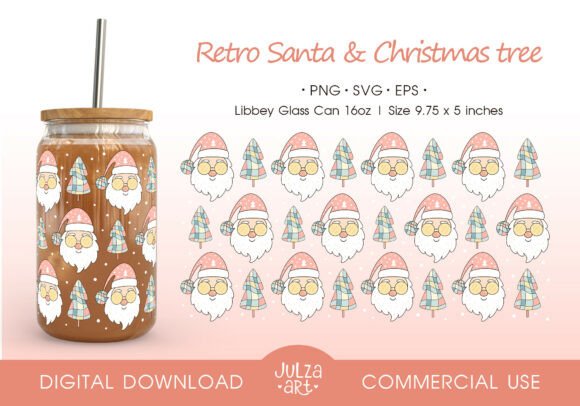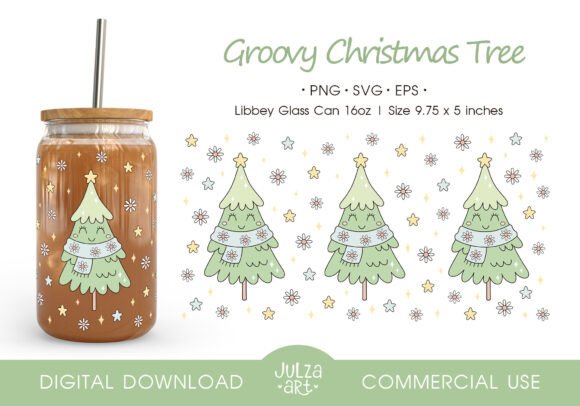
Retro Christmas Tree Libbey Glass Can Review
As a designer who spends half my life staring at stitch charts and the other half trying to sell what I make, I am always skeptical when a new design drops. Too often, "retro" just means "low resolution with a vintage filter," and "crafty" translates to "too much detail for a standard hoop." But recently, I pulled up the Retro Christmas Tree Libbey Glass Can file in my digitizing software, and it actually stopped me in my tracks. It’s not just another clipart image slapped onto a vector; it has a specific rhythm and personality that suggests it was built with embroidery in mind.
I decided to put this machine embroidery design through its paces. My goal wasn’t just to see if it stitched out, but to evaluate whether it could hold up in a real-world commercial setting. Could an Etsy seller use this for holiday inventory? Would a boutique owner trust this aesthetic for their winter collection? Here is my honest breakdown of how the Retro Christmas Tree Libbey Glass Can performs from a professional embroidery perspective.
The First Impression: Mood and Layout
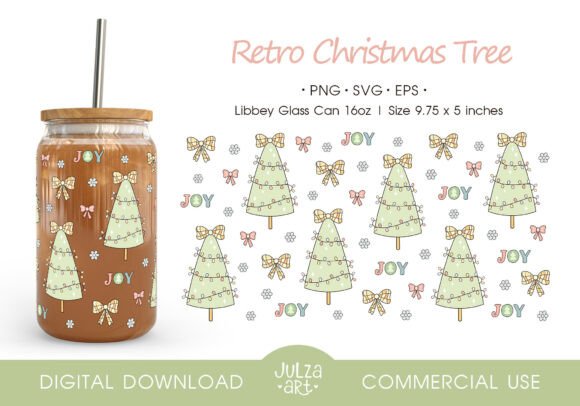
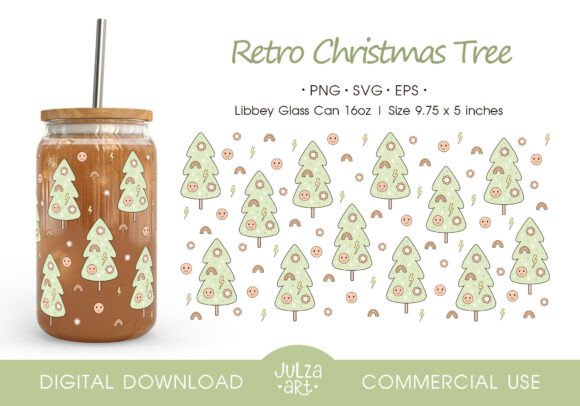
The moment you open the file, the layout feels intentional. The design is tailored specifically for a 16 oz Libbey glass can shape, which gives it a unique silhouette compared to generic tree designs. The retro vibe isn’t achieved through clutter; it’s achieved through clean lines and a nostalgic color palette that feels warm rather than chaotic. For a holiday embroidery project, this balance is critical. You want the piece to feel festive without screaming for attention.
Visually, the design balances negative space with decorative elements effectively. This is crucial because embroidery relies on thread coverage. If a design is too sparse, it looks unfinished; if it’s too dense, it becomes stiff and hard to stitch. The Retro Christmas Tree Libbey Glass Can strikes a middle ground that works beautifully for both custom apparel and smaller accessories. It feels like a handmade product that respects the medium of thread.
Real-World Application: Where Does It Fit?
In my experience, the versatility of a design determines its value. I tested the concept of this design across several common craft business items, and here is where it shines:
- Holiday Gifts and Personalized Products: Because the design mimics a soda can or beverage container, it pairs exceptionally well with kitchen-themed gifts. Imagine this embroidered on a high-quality tea towel or a canvas tote bag. It feels modern yet cozy, making it perfect for hostess gifts or corporate holiday swag.
- Apparel Decorators: For sweatshirt embroidery, this design works best as a chest pocket placement or a small left-chest accent. The retro theme fits the current trend of "quiet luxury" meets "nostalgic comfort." It’s subtle enough for everyday wear but distinct enough to show craftsmanship.
- Baby Embroidery: I found myself thinking about nursery decor or baby onesies. The rounded shapes of the can and the stylized tree are soft and approachable. It avoids the sharp edges that sometimes look harsh on delicate baby fabrics. It would make a lovely addition to a nursery pillow cover or a milestone blanket.
- Embroidered Patches: The contained nature of the design makes it ideal for creating iron-on patches. Whether for denim jackets or backpacks, the outline holds together well, provided the backing is applied correctly.
Technical Performance and Stitch Quality
When evaluating an embroidery file, I look closely at the stitch types. A good design uses a mix of satin stitch for outlines and borders, fill stitch for solid areas like the tree body, and running stitch for fine details like ornaments or text accents. The Retro Christmas Tree Libbey Glass Can appears to utilize these efficiently.
The stitch density seems appropriate for the scale. It doesn’t overwork the fabric, which reduces the risk of puckering—a common complaint with low-quality digitizing. However, because this is a graphic design originally meant for sublimation or vinyl, the transition into thread requires careful planning. The thread colors must be chosen to maintain contrast. A dark green tree on black fabric will disappear; a bright gold on white might lack definition. Testing on scrap fabric is non-negotiable here.
One area to watch is the hoop size. Since the design is scaled for a 16 oz can, it likely fits comfortably within a 4x4 inch hoop, which is the most common size for home machines. This accessibility is a huge plus for hobbyists and small shop owners who may not have industrial multi-head machines. It democratizes the ability to create high-quality finished products.
Where to Be Careful
No design is perfect for every scenario. There are specific situations where the Retro Christmas Tree Libbey Glass Can might struggle:
- Small Hoop Sizes: If you attempt to downsize this significantly for something like a hat brim or a tiny patch, you may lose the integrity of the details. Fine lines can merge together, turning into muddy blobs.
- Textured or Stretchy Fabrics: Embroidery on jersey knit or heavy Terry cloth can distort the precise geometry of the can shape. Always use a proper stabilizer—likely a cut-away for stretchy materials—to keep the design stable during stitching.
- Dense Stitch Areas: While the density looks manageable, adding too many extra decorative stitches around the main design can overwhelm the viewer. Let the design breathe.
- Curved Surfaces: Attempting to stitch this directly onto a curved cap front without proper padding might result in uneven tension. It works better on flat surfaces like aprons or tote bags.
Visual Appeal and Brand Consistency
For the craft business owner, aesthetics drive sales. The Retro Christmas Tree Libbey Glass Can has a strong visual identity. It taps into the nostalgia of mid-century graphics while remaining relevant to modern tastes. This kind of design builds customer trust because it looks professionally curated, not randomly assembled.
When you present this in a printable mockup or a digital listing, it stands out. It’s recognizable. In a sea of generic snowflakes and reindeer, a stylized retro can catches the eye. It suggests a brand that pays attention to trends and quality. This visual appeal translates directly to higher engagement and potentially higher conversion rates for your Etsy listings or online store.
Practical Designer Notes Before You Stitch
Before you commit to a full production run, follow these steps to ensure success:
- Test on Scrap Fabric: Never skip this step. Check how the thread colors interact with your specific fabric choice. Does the green pop? Is the red vibrant enough?
- Check Licensing: Ensure you have the rights to sell finished items made from this digital embroidery file. Commercial licenses vary, and protecting your small shop product from legal issues is paramount.
- Inspect Small Details: Zoom in on the digital file. Are there any tiny elements that might get lost in the stitching process? If so, consider simplifying them or adjusting the zoom level.
- Compare Backgrounds: Test the design on both light and dark fabrics. A design that looks great on white might need a different underlay or color scheme on navy blue.
- Review Stability: Make sure your machine is properly threaded and your bobbin tension is correct. Even the best design assets will fail with poor machine maintenance.
Final Verdict
The Retro Christmas Tree Libbey Glass Can is more than just a seasonal graphic; it’s a versatile tool for the serious embroiderer. It bridges the gap between casual crafting and professional merchandise. Whether you are making personalized gifts for friends or building a inventory of commercial embroidery goods for the holidays, this design offers a reliable, stylish foundation.
It respects the limits of the medium while maximizing the charm of the retro aesthetic. For designers looking to add a touch of whimsy and warmth to their embroidery project portfolio, this is a smart addition. Just remember to test thoroughly, choose your fabrics wisely, and let the quality of the stitching speak for itself. When done right, this design doesn’t just decorate a product—it elevates it.